Introduction: The quiet work of protection
In the quiet hours of home care, a mattress pad is more than a piece of fabric. It is a patient advocate—an ally that redistributes pressure, manages moisture, and cushions the body in a way that cannot be communicated by words alone. Pressure-relief pads, whether foam, gel, air-filled, or hybrid designs, perform the complex arithmetic of care: they balance comfort with safety, softness with stability, and spontaneity with routine.
The aim of this guide is practical: to help you measure for the right pad, install it securely on a hospital bed or standard mattress, and maintain it so it remains a dependable partner in daily care. We will also draw from the experience of notable figures across different periods to illuminate how concepts of comfort, care, and ergonomics have evolved into the modern home-care landscape.
Pad Types: How they redistribute, protect, and soothe
Pressure-relief pads come in several forms, and each design brings its own strengths for different care scenarios.
- Foam pads: Open-cell foams and high-density foams offer dependable cushioning and support. They conform to contours while distributing weight; when layered with breathable covers, they support ongoing comfort and reduce friction that can irritate the skin.
- Gel pads: Gel-infused surfaces help with heat regulation and moisture management. They can adapt to irregular shapes and provide cooling benefits, which is particularly valuable for patients who experience warmth or sweating.
- Air-filled pads: Pneumatic structures redistribute pressure through adjustable air chambers. They can be customized to minimize pressure points for areas where skin integrity is most vulnerable, though they require careful monitoring for seam integrity and punctures.
- Hybrid and combination pads: A fusion of materials—foam top layers with gel or air underneath—aim to deliver the best of multiple worlds: comfort, support, ventilation, and moisture control.
How to Measure and Choose the Right Pad Size
Correct sizing ensures the pad covers vulnerable areas without bunching or restricting movement. Start with mattress depth (thickness) and bed type, then confirm length and width against the patient’s typical sleeping position and mobility.
- Measure the mattress depth: standard depths often range from 8 to 18 inches. Pad depth should align with or slightly exceed mattress depth to stay securely in place.
- Measure the mattress length and width: most pads come in standard bed sizes (Twin, Twin XL, Full, Queen, King, Cal King). For adjustable beds or non-standard sizes, choose a pad with flexible, deep pockets or a stretchy cover to ensure a snug fit.
- Assess patient needs: consider mobility, risk of shear, and temperature sensitivity. A cooler, breathable fabric may be preferable for patients who overheat, while a waterproof or moisture-wicking layer can be crucial for incontinence-management contexts.
- Check compatibility with bed systems: hospital bed frames, adjustable bases, and side rails may influence pad design (elasticized edges, deep pockets, or corner retention bands).
Installation and Secure Fit: A practical routine
The goal of installation is to achieve a stable surface that remains in place without restricting movement. Many pads feature elasticized edges, fitted corners, or a snug jersey-skirt to help keep the pad aligned during rolling and repositioning.
A simple routine can include: placing a clean sheet or washable cover on the mattress first, laying the pad on top, and tucking or fastening the edges according to the pad’s design. If mobility is limited, enlist a caregiver to help align pads during dressing changes to minimize shear forces on the skin.
Maintenance, Cleaning, and Longevity
Regular cleaning preserves hygiene and extends the life of pads. Always follow manufacturer care instructions, but some universal practices apply:
- Wash covers and outer fabrics on gentle cycles with mild detergents; avoid bleach unless specified safe.
- Air-dry or tumble dry on low heat as recommended; high heat can degrade foam or elastic components over time.
- Inspect seams and edges for wear, punctures, or loss of elasticity; replace immediately if compromised to maintain pressure-relief integrity.
- Store pads in a clean, dry place when not in use to prevent mold and mildew in humid environments.
Clinical Considerations: When to consult experts
If skin integrity concerns persist or a patient has a history of pressure ulcers, collaborate with a healthcare professional. A clinician can help tailor the choice of pad types, pressure redistribution strategies, and combination approaches to align with patient-specific risk factors, mobility levels, and medical conditions.
Three Key Figures Through Time: Perspectives on Care, Comfort, and Materiality
Florence Nightingale (1820–1910)
Nightingale’s meticulous attention to hygiene, patient comfort, and environmental design reshaped hospital practice. Her insistence on cleanliness, airflow, and the dignity of patient care echoes through today’s insistence on breathable, cleanable pad covers and moisture-management strategies for skin health. In home care, the spirit of Nightingale prompts us to design care environments that minimize risk while maximizing comfort.
Dorothy B. Dorsen (1920s–1970s)
A pioneer in ergonomics and home health design, Dorsen championed standardization in patient aids, including cushions, supports, and protective overlays that reduce friction and distribute weight more evenly. Her work invites modern caregivers to consider the interface between body and surface, guiding decisions about pad materials, surface textures, and adaptive features that ease daily tasks.
contemporary voices (1990s–present)
Today’s designers and clinicians emphasize evidence-informed materials, safety labeling, and patient-centered outcomes. As pad technologies diversify—foam, gel, air, and hybrids—caregivers are encouraged to evaluate comfort, breathability, temperature regulation, and durability as integral parts of a compassionate care plan.
Product Spotlight: Monmouth Mattress Pad
Monmouth Mattress Pad
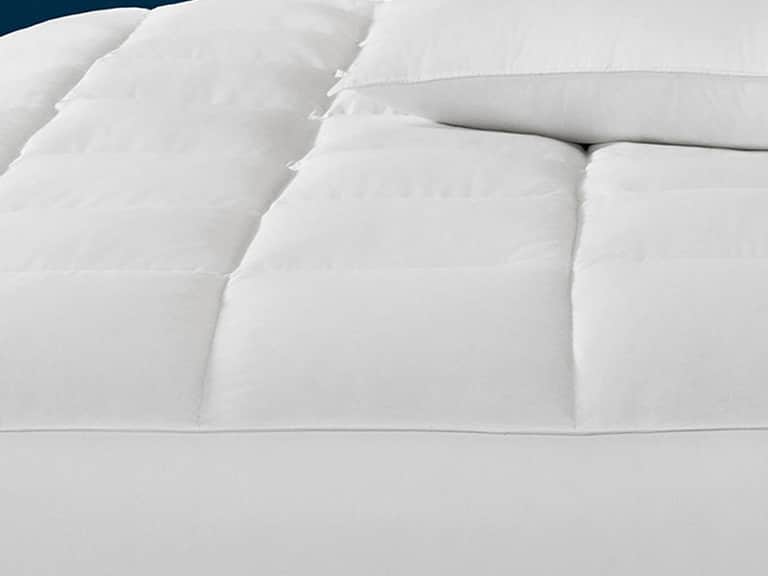
European white goose down, a 600+ fill power, and sewn-through box construction create even loft and lasting comfort. Its 10-inch depth and elasticized sides ensure a snug fit on mattresses up to 20 inches deep. Crafted in the USA with a lightweight cotton batiste shell, it embodies a refined sense of cushion that feels both generous and measured.
- Material: European goose down; Shell: lightweight cotton batiste
- Fill power: 600+; Construction: 10" sewn-through box
- Care: Machine wash cold, gentle cycle; see care label
Price: $570.00
Resources and Practical Guides
Beyond the pad itself, caregivers benefit from standardized guides, patient-safety references, and practical decision trees. Consider building a resource hub that links to guidelines from reputable health organizations, bed-medding safety standards, and caregiver support networks.
- Caregiver checklist: measurement, installation, daily inspection, and documentation.
- Safety labeling and product certifications: understanding what to look for in medical-grade pads.
- Glossary: terms such as pressure redistribution, shear, edema, and moisture management.